


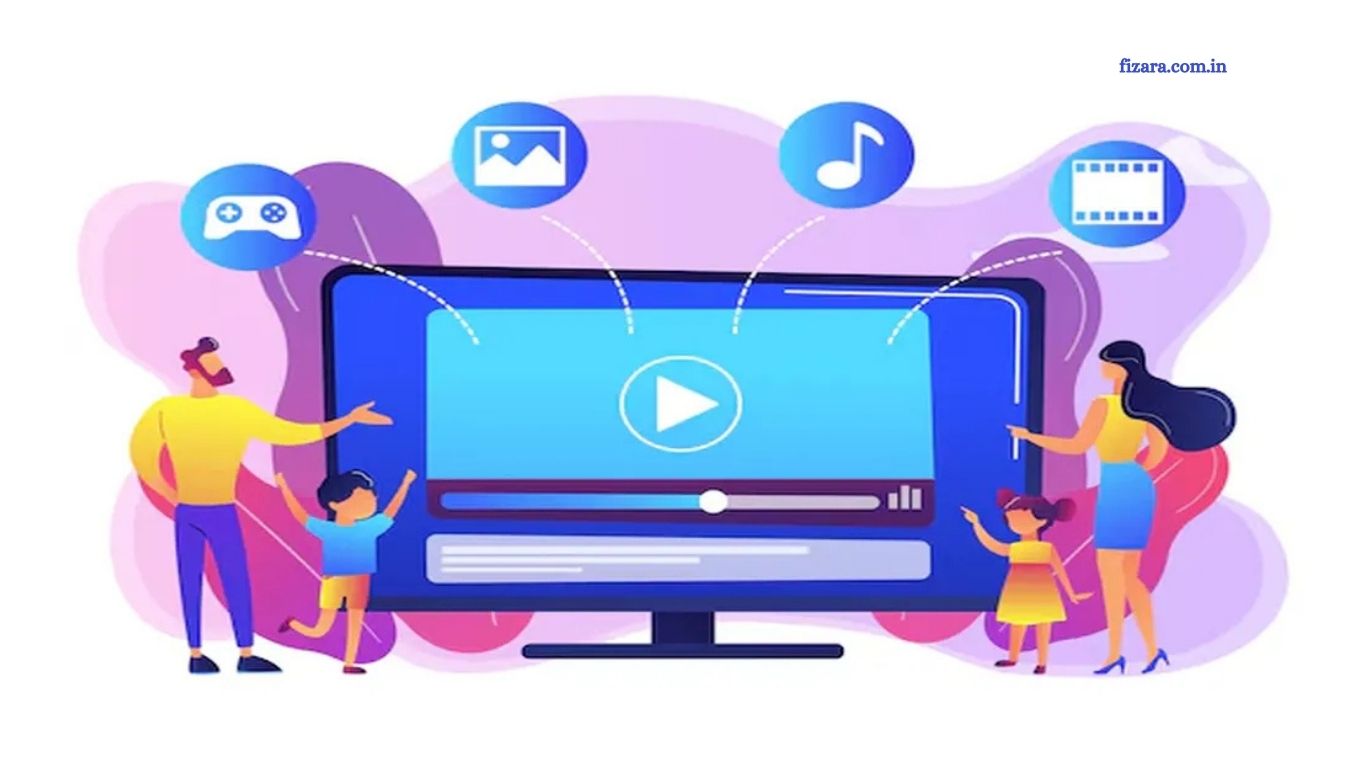
Family albums have long preserved cherished memories, with traditional photo albums capturing still moments. However, video albums bring these memories to life. Advances in technology now allow families to enhance these videos through dubbing, adding emotion, narration, and different perspectives. This creates a richer, more immersive storytelling experience that makes revisiting those moments more engaging and interactive.
How Dubbing Improves Family Video Albums
A family video album preserves more than just images—it captures laughter, conversations, and the mood of each moment. However, audio quality can suffer, with voices fading or being drowned out by background noise. Dubbing enhances these memories by adding clear narration, voiceovers, or translations, making videos accessible for multilingual families. This approach allows every family member to relive moments, regardless of language barriers or distance.
For example, if a grandparent’s voice is faint due to interference, dubbing can restore and synchronize it, preserving the emotional depth for future generations. This simple yet powerful technique enriches home videos, turning them into lasting, cherished treasures.
Read More: Are Catamarans Ideal for Fishing?
The Role of AI in Personalizing Narratives
New technology has simplified dubbing, eliminating the need for professional voice artists or expensive recording equipment. AI dubbing tools can easily replicate, modify, or translate voices while preserving the original experience’s authenticity. This allows families to add new storytelling layers without technical expertise.
For multilingual families, AI dubbing ensures everyone understands videos during gatherings by automatically syncing voiceovers in different languages. This technology bridges language gaps, helping grandparents and younger generations connect through shared memories, strengthening family bonds across cultures.
Making Video Albums More Inclusive
Dubbing enhances inclusivity for hearing-impaired family members and relatives living abroad. While subtitles offer some support, dubbing adds emotional depth that text alone cannot convey. It transforms videos into interactive experiences, allowing everyone to engage fully through voice translation or enhancement.
With about 15% of U.S. adults experiencing hearing loss, according to the National Institute on Deafness and Other Communication Disorders, dubbing becomes essential. Clear, well-paced voiceovers ensure family videos communicate important moments and messages effectively to all members, regardless of hearing ability.
Protecting the Voices
The most emotional part of family video albums is hearing the voices of loved ones. Over time, these voices may fade, but dubbing helps preserve them. Voice-enhancement techniques can restore low-quality recordings, allowing future generations to hear grandparents, parents, and children clearly.
For example, an old VHS tape with a faint voice of a great-grandparent sharing a family tradition can be enhanced through dubbing. AI tools can clarify, amplify, and restore the audio, ensuring those words resonate with future generations. This adds invaluable depth to family histories, keeping memories alive.
Creating Personalized Narrations
Storytelling is an art, and dubbing lets family members create engaging narrations that transform simple footage into meaningful documentaries. Parents can narrate childhood videos for their grown children, siblings can add humor, and grandchildren can voice scenes from past generations. This creative approach turns ordinary videos into emotionally rich cinematic experiences.
A growing trend is “video time capsules,” where families create annual summaries highlighting key moments with voiceovers. These capsules become living records, capturing visuals, emotions, and changing perspectives over time.
Easy to Utilize Tools
Dubbing used to be complex, but today’s user-friendly software makes it easier than ever. AI-powered tools allow users to add voiceovers, sync speech, and adjust volume with minimal effort. Whether working on a single clip or an entire album, these tools ensure seamless integration, producing professional, natural-sounding results every time.
Frequently Asked Questions
What is dubbing in family video albums?
Dubbing involves adding or replacing audio tracks in family videos to enhance narration, add voiceovers, or translate dialogue, enriching the storytelling experience.
Why should I dub my family videos?
Dubbing improves audio clarity, preserves voices, bridges language gaps, and makes videos more engaging and accessible to all family members.
Do I need professional equipment or skills to dub videos?
No. Modern AI-powered tools simplify the dubbing process, allowing anyone to add voiceovers, synchronize audio, and adjust volume without technical expertise.
Can dubbing help multilingual families?
Yes. Dubbing can translate and synchronize voiceovers, enabling family members who speak different languages to enjoy videos together.
Is dubbing helpful for hearing-impaired family members?
Absolutely. Clear voiceovers and proper pacing help hearing-impaired viewers better understand and connect with family videos.
Can old or low-quality audio be improved with dubbing?
Yes. Voice-enhancement and AI restoration techniques can clarify and amplify faint or distorted voices in old recordings.
How does dubbing add emotional value to family videos?
Dubbing preserves voices and emotions, turning simple footage into immersive, emotionally rich stories that future generations can cherish.
Are there any popular trends involving dubbing in family videos?
“Video time capsules” are a popular trend where families create annual video summaries with voiceovers, preserving memories and evolving stories.
Conclusion
Integrating dubbing into family video albums transforms simple recordings into vibrant, emotionally rich memories. By enhancing audio clarity, bridging language barriers, and preserving the voices of loved ones, dubbing deepens the connection across generations.
Thanks to accessible AI tools, families can easily create professional-quality narrations that keep their stories alive and engaging for years to come. This powerful technique ensures that family histories remain vivid, inclusive, and cherished by all.
