


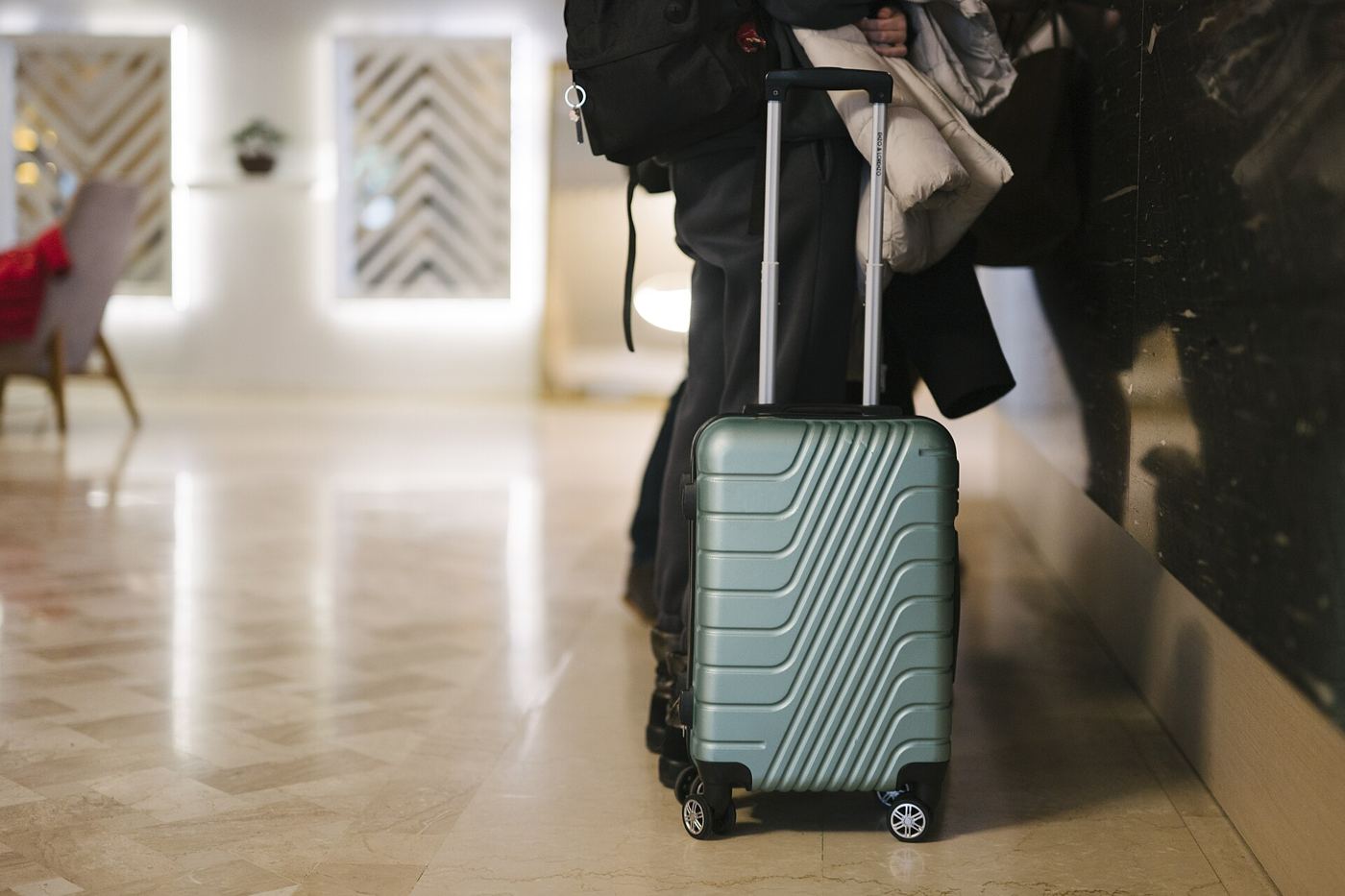
Thanksgiving travel in America will be slightly smaller and much pricier this year, with 81.5 million people expected to travel at least 50 miles from home between November 24 and November 30 2026. The forecast from AAA, published on November 16, is 0.1 percent below last year’s 81.6 million, ending a three year run of record Thanksgivings. Domestic round trip flights are averaging 800 dollars, up 17 percent from last year, and drivers face record pump prices, with 72.9 million people expected to drive, about 200000 fewer than in 2025. Airlines for America expects nearly 29 million passengers over the same period, with 38000 more seats a day than in 2025. The total still exceeds pre pandemic Thanksgiving travel by 3.7 million people, according to AAA, so the holiday remains near record levels despite the higher cost.
What the Evidence Shows
Airlines point to fuel as the reason for the higher fares, with the jet fuel spot price averaging a record 4.64 dollars a gallon in October, more than six times the rise in airfares since January. The holiday week is also being watched for a possible screening record, with the Transportation Security Administration saying early indicators show the potential to screen more than 3 million passengers nationwide on Sunday November 29. The all time record is 3134613 people screened on Sunday November 30 2025, and no day in 2026 has yet reached 3 million, with the year’s peak so far at 2988204 on June 18. The system is also recovering from a nationwide ground stop on November 13 that halted departures for more than four hours. Reporting and analysis from sources such as Associated Press track the same developments, and specialists following the pricier Thanksgiving travel week say the direction is now consistent across independent lines of evidence.
The Wider Context
Regional and local reporting on the pricier Thanksgiving travel week often tells a different story from national coverage, because the effects land unevenly: one town’s pilot is another’s distant proposal. Analysts who follow the subject full-time read the local data first, arguing that national averages conceal the variation that decides whether a policy or a project deserves to spread.
What Happens Next
The longer story of the pricier Thanksgiving travel week is still being written by the people closest to it, whose experience rarely matches the earliest predictions of either supporters or critics. Reporting will continue to follow the evidence as it accumulates, including where it complicates today’s account. That is the deal serious coverage makes with its readers, and it holds for this subject as for any other. You can follow related developments in our coverage of news.
It is also worth remembering how quickly the picture in this area has changed before. Positions that looked settled a few years ago have been revised as new data arrived, and the same humility is appropriate now. The strongest coverage of this subject, and the most useful advice, tends to come from sources that update their views openly when the facts move, rather than defending an earlier position long after it has stopped fitting the evidence available.
