


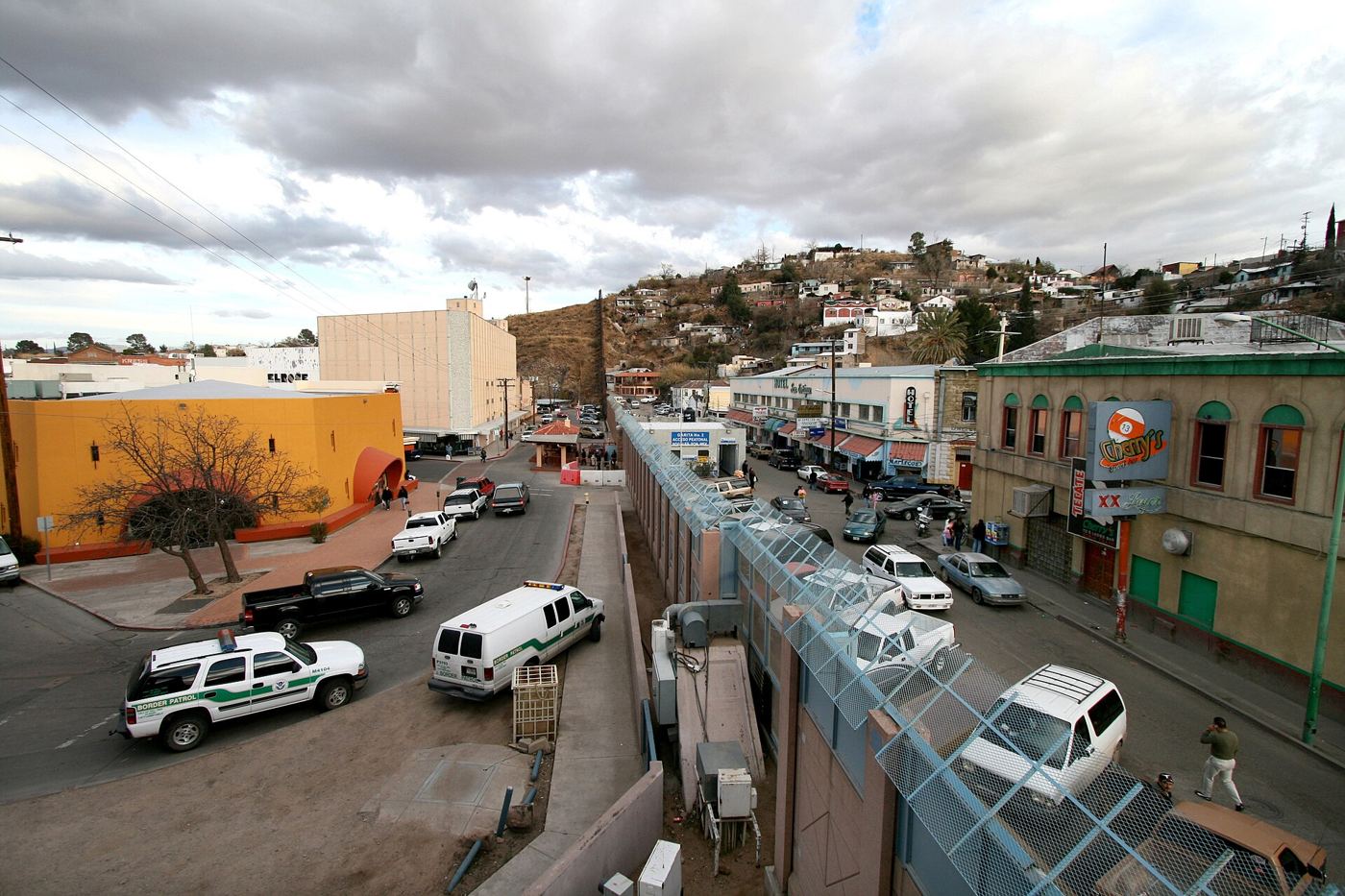
The Mexican military captured the leader of the Sinaloa Cartel, known as Chapo Isidro, on Saturday November 21 2026, following a Homeland Security Task Force investigation, the American Justice Department announced. Attorney General Todd Blanche confirmed the arrest, which marks one of the most significant blows against the cartel since the capture of its previous leaders. Chapo Isidro, whose real name is Fausto Isidro Meza Flores, has been a senior figure in the cartel for years and was wanted in the United States on drug trafficking charges. The operation is the latest success in a long running campaign against the cartel, which remains one of the largest suppliers of illegal drugs to the United States.
What the Evidence Shows
The capture comes as the United States and Mexico deepen their cooperation against the cartels, with American intelligence and law enforcement working alongside Mexican forces. The Sinaloa Cartel has been weakened by the arrests of its top leaders, but it remains a powerful organisation with deep roots in Mexican politics and business. Analysts warn that removing a leader does not dismantle the network, and that rival factions often fight for control in the vacuum that follows. The Mexican government will now face pressure to extradite Chapo Isidro to the United States, where he faces charges that could carry a long prison sentence. Reporting and analysis from sources such as Associated Press track the same developments, and specialists following the capture of Sinaloa cartel leader Chapo Isidro say the direction is now consistent across independent lines of evidence.
The Wider Context
Regional and local reporting on the capture of Sinaloa cartel leader Chapo Isidro often tells a different story from national coverage, because the effects land unevenly: one town’s pilot is another’s distant proposal. Analysts who follow the subject full-time read the local data first, arguing that national averages conceal the variation that decides whether a policy or a project deserves to spread.
What Happens Next
The longer story of the capture of Sinaloa cartel leader Chapo Isidro is still being written by the people closest to it, whose experience rarely matches the earliest predictions of either supporters or critics. Reporting will continue to follow the evidence as it accumulates, including where it complicates today’s account. That is the deal serious coverage makes with its readers, and it holds for this subject as for any other. You can follow related developments in our coverage of news.
It is also worth remembering how quickly the picture in this area has changed before. Positions that looked settled a few years ago have been revised as new data arrived, and the same humility is appropriate now. The strongest coverage of this subject, and the most useful advice, tends to come from sources that update their views openly when the facts move, rather than defending an earlier position long after it has stopped fitting the evidence available.
