


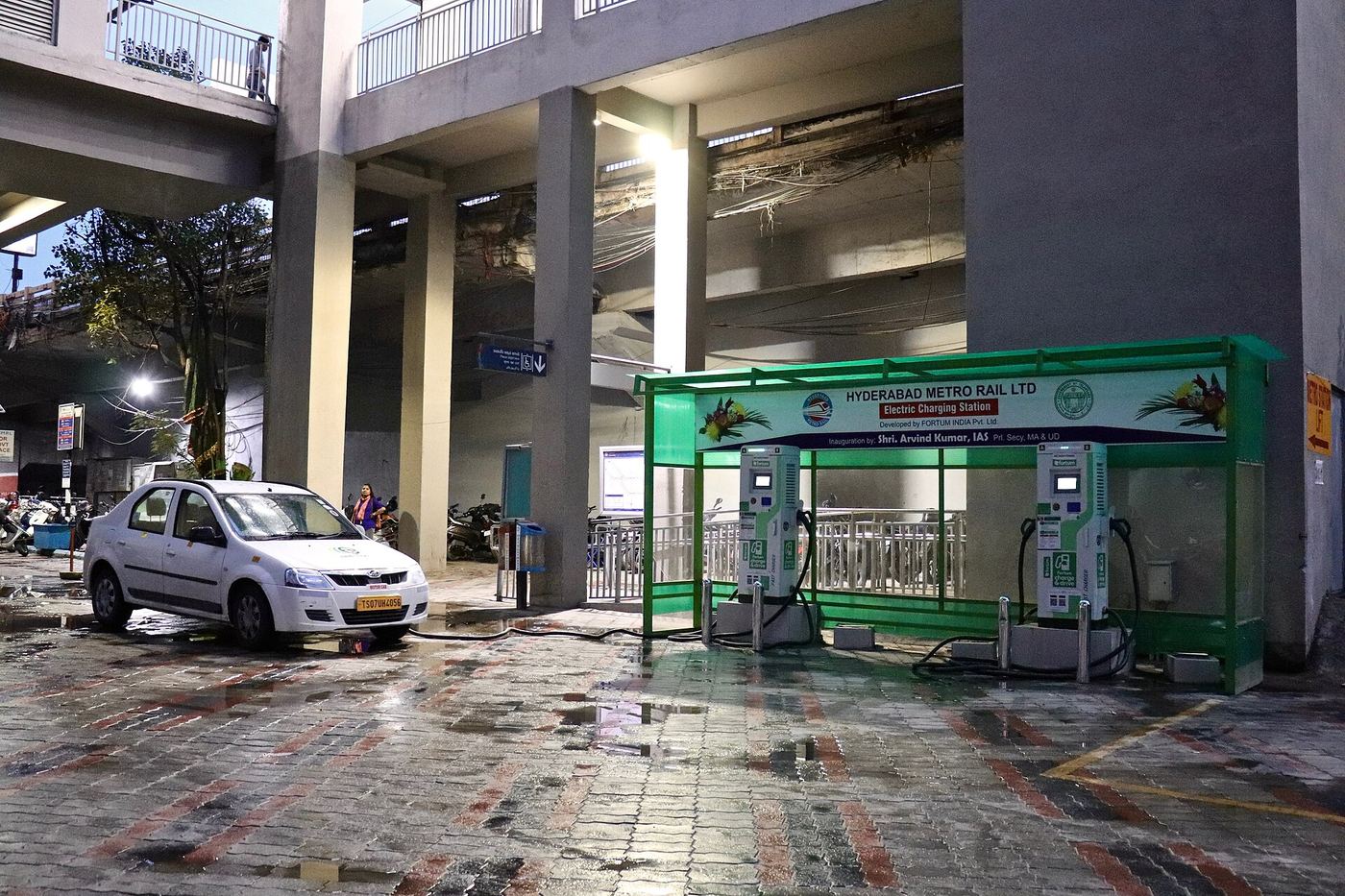
Electric vehicles in India were long discussed as a premium curiosity — expensive to buy, uncertain to charge and hard to resell. That picture is changing quickly. A wave of entry-level electric cars and a maturing market in electric two-wheelers are pushing prices toward those of comparable petrol models, while public charging networks expand along highways and inside cities. For a country where the two-wheeler is the family vehicle, affordability, not novelty, will decide how fast the transition happens.
The International Energy Agency notes in its electric vehicle tracking that falling battery pack prices are the central driver of cheaper models worldwide, and Indian manufacturers have been among the fastest to pass those savings into smaller, city-focused cars.
Two-Wheelers Lead, Cars Follow
Electric scooters reached price parity with petrol rivals earlier than cars because their batteries are smaller and their running costs are easy to demonstrate: a few rupees of electricity for a day’s commuting, against a petrol bill that rises with every price revision. Delivery fleets and ride-hailing operators adopted them first, and their visible presence normalised the technology for private buyers.
Car makers are now applying the same logic at the entry level, launching compact electric hatchbacks aimed at urban families as a second car, with real-world ranges suited to daily city use rather than headline-grabbing figures. State incentives, lower registration costs in several states and expanding model choice have widened the funnel further, as our auto coverage has tracked through this year’s launches.
Charging and Total Cost Matter More Than the Sticker
Buyers increasingly compare total cost of ownership rather than showroom price alone. Home charging overnight, where available, makes an electric car dramatically cheaper per kilometre than petrol, and maintenance is simpler with fewer moving parts. The gaps are equally clear: apartment residents without dedicated parking, and drivers who regularly cover long intercity distances, still face planning and infrastructure hurdles that a home-charging homeowner does not.
Policymakers at NITI Aayog have argued that battery swapping, interoperable public chargers and financing tailored to first-time EV buyers will matter as much as purchase subsidies in the next phase. Lenders are slowly responding with green vehicle loans, though interest-rate advantages remain modest.
What Buyers Should Check Before Switching
Prospective owners should verify the realistic range in Indian traffic and heat, the battery warranty terms, and where the nearest authorised service centre actually is. Resale values are improving as the used EV market forms, but they still vary sharply by brand and battery health. A test drive loaded with family and luggage on a familiar route reveals more than any brochure figure.
The affordable end of the market is where India’s EV story will be decided. If entry-level models continue to close the price gap while charging spreads beyond the metros, the next few years could see electric mobility shift from early adopters to the mainstream — a transition we will continue to follow in our technology section.
