


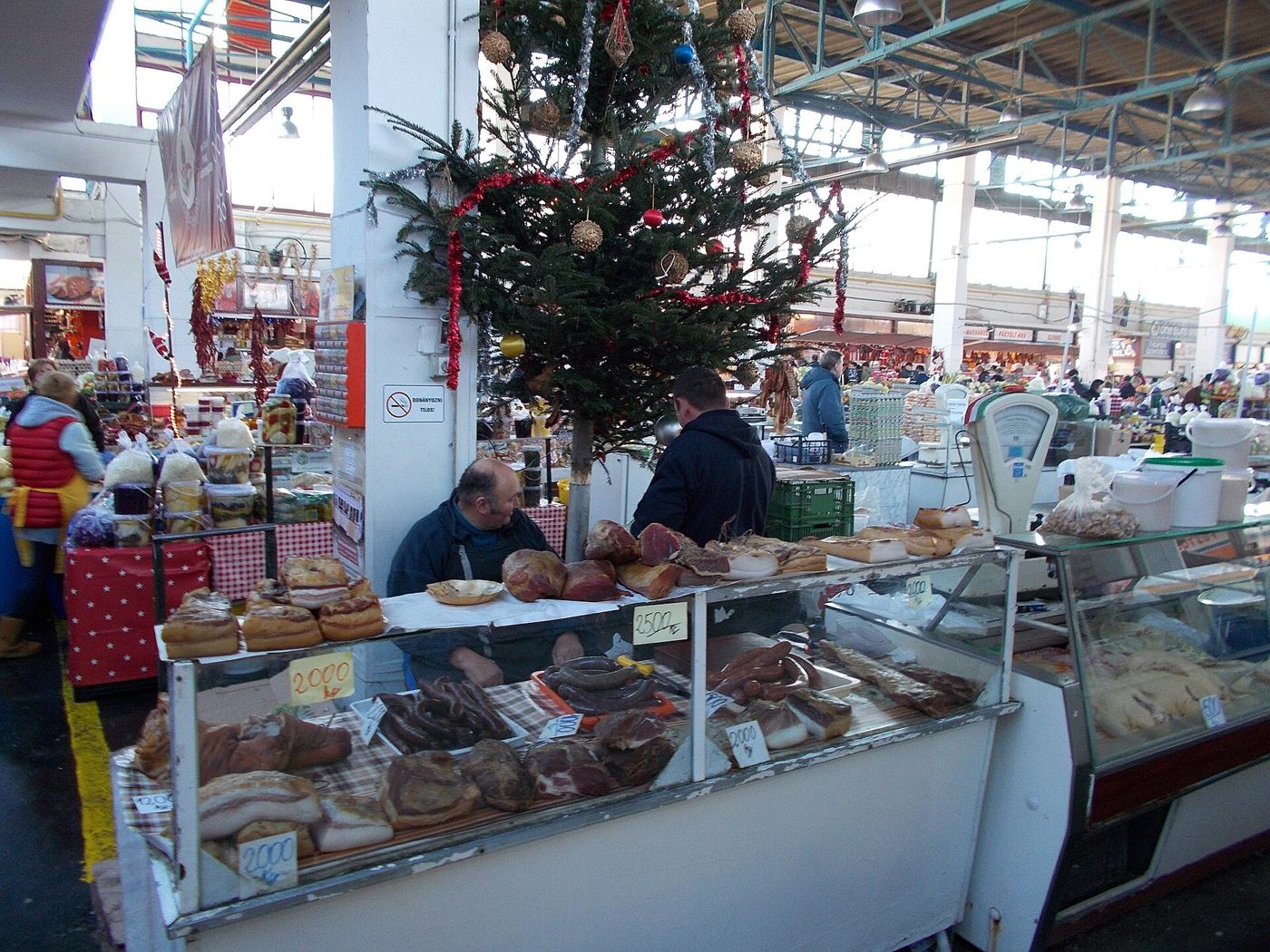
The indoor market hall has introduced long community tables where lunchtime visitors can sit together, in a move traders hope will turn quick purchases into longer, more relaxed visits. The tables sit between the food stalls and the main shopping aisles, letting office workers, students and older shoppers share space while they eat or rest between errands. Stallholders say the change answers a simple observation: people who sit down tend to stay longer, browse more and return with friends, while a hall with nowhere to rest pushes everyone towards the exit. Free drinking water, tray returns and a small number of high chairs are provided, and the seating is kept clear of goods so wheelchair users can join a table without difficulty. Market managers tested the layout over several weekends before making it permanent, moving the tables twice to find a spot that did not block delivery routes. Early feedback from visitors has been strongly positive.
What the Evidence Shows
Traders take turns acting as hosts at busy times, clearing tables and pointing newcomers towards stalls they might enjoy. Specialists following market hall community tables say shared seating quietly tackles loneliness as well as supporting trade, especially for people who shop alone. The hall plans board games at quieter times and a noticeboard for local clubs beside the tables. Cleaning arrangements have been agreed so the area stays pleasant through the busiest lunch rush. Managers will review the layout after the festive season, when the hall is at its busiest. Nearby offices have begun timing team lunches at the hall, which traders say brings reliable weekday trade beyond the traditional Saturday peak. The market is also offering the tables to community groups for informal meetups during quieter afternoons. Managers believe a hall that feels like shared public space, not just a row of shops, will matter more as shopping habits keep changing. Reporting and analysis from sources such as Associated Press track the same developments, and specialists following market hall community tables say the direction is now consistent across independent lines of evidence.
The Wider Context
Regional and local reporting on market hall community tables often tells a different story from national coverage, because the effects land unevenly: one town’s pilot is another’s distant proposal. Analysts who follow the subject full-time read the local data first, arguing that national averages conceal the variation that decides whether a policy or a project deserves to spread.
What Happens Next
The longer story of market hall community tables is still being written by the people closest to it, whose experience rarely matches the earliest predictions of either supporters or critics. Reporting will continue to follow the evidence as it accumulates, including where it complicates today’s account. That is the deal serious coverage makes with its readers, and it holds for this subject as for any other. You can follow related developments in our coverage of news.
It is also worth remembering how quickly the picture in this area has changed before. Positions that looked settled a few years ago have been revised as new data arrived, and the same humility is appropriate now. The strongest coverage of this subject, and the most useful advice, tends to come from sources that update their views openly when the facts move, rather than defending an earlier position long after it has stopped fitting the evidence available.
