


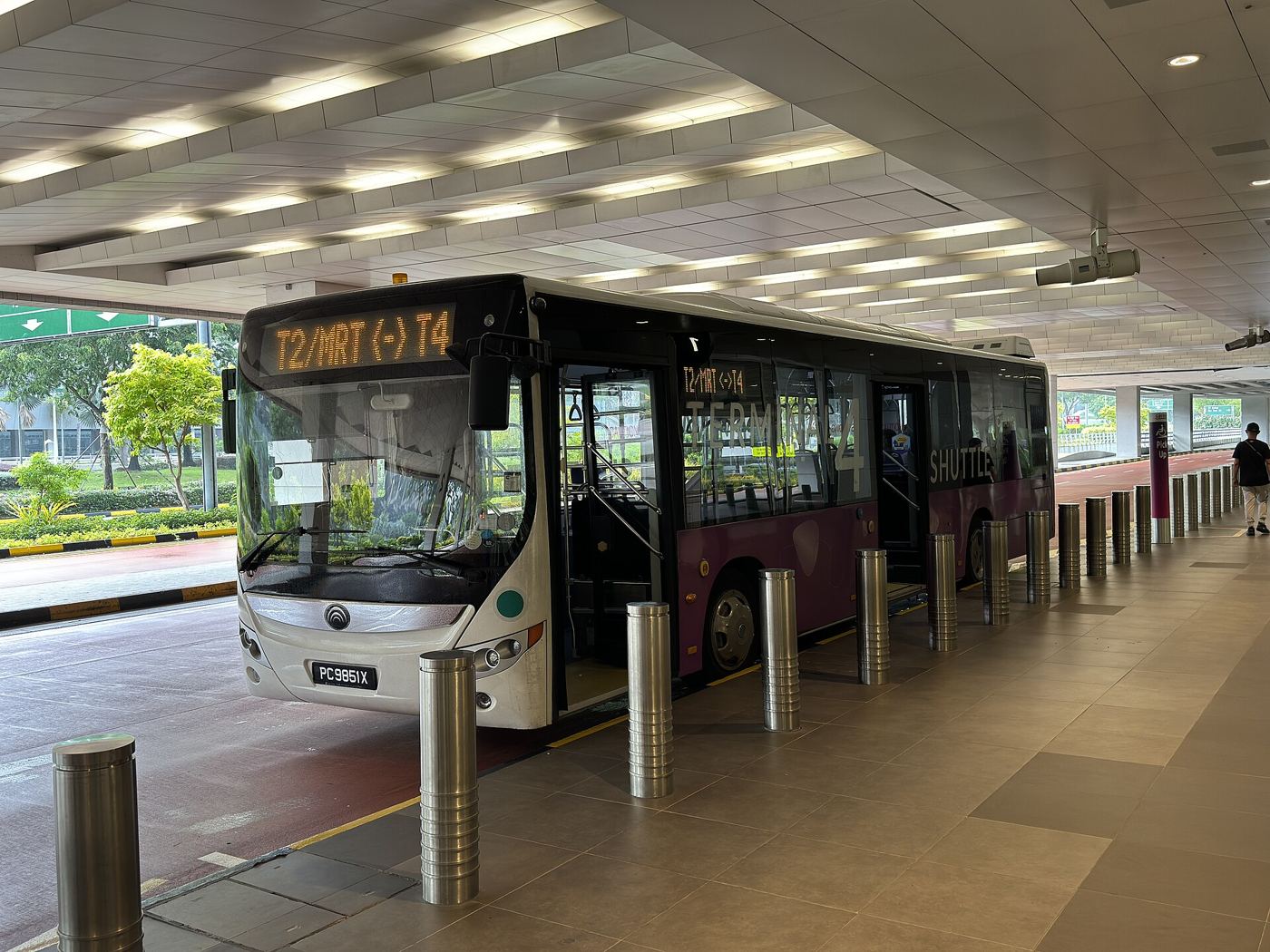
Regional airports are adding shuttle bus links to nearby towns in an effort to cut car journeys, ease congestion in town centres and give passengers a reliable alternative to being dropped off by car. The new services run from early morning until late evening to match flight schedules, with stops at railway stations and major residential areas along the route. Airport operators say a large share of their traffic impact comes not from flights themselves but from thousands of individual car trips on local roads, many carrying a single passenger. A frequent shuttle with luggage space and clear pricing can remove a meaningful number of those journeys, particularly for short trips where parking charges are a significant part of the total cost. Local councils have supported the schemes on condition that services are coordinated with existing bus timetables rather than competing with them. Ticketing is being integrated so passengers can buy a through journey by train and shuttle in one transaction, reducing the uncertainty that often pushes travellers toward taking a car.
What the Evidence Shows
Transport planners say the success of airport shuttles depends on frequency and reliability more than on the vehicles themselves. Services running at least every half hour, with real-time information when traffic causes delays, are far more likely to be trusted for time-sensitive journeys to catch flights. Operators are therefore building recovery time into schedules and giving buses priority measures on the busiest approaches to terminals. Early passenger feedback has focused on practical details: level boarding for travellers with luggage, clear announcements and safe, well-lit waiting areas at night. Airports are funding some routes during an initial period while passenger numbers build, with reviews planned to decide which services become permanent. Environmental groups welcome the shift but argue that shuttle links should be matched by better rail connections for longer journeys. For nearby residents, the most visible benefit may be local: fewer cars circulating in town centres looking for drop-off points, and less pressure on residential streets close to airports where unofficial parking has long been a source of complaints. Reporting and analysis from sources such as Associated Press track the same developments, and specialists following airport shuttle link expansion say the direction is now consistent across independent lines of evidence.
The Wider Context
Regional and local reporting on airport shuttle link expansion often tells a different story from national coverage, because the effects land unevenly: one town’s pilot is another’s distant proposal. Analysts who follow the subject full-time read the local data first, arguing that national averages conceal the variation that decides whether a policy or a project deserves to spread.
What Happens Next
The longer story of airport shuttle link expansion is still being written by the people closest to it, whose experience rarely matches the earliest predictions of either supporters or critics. Reporting will continue to follow the evidence as it accumulates, including where it complicates today’s account. That is the deal serious coverage makes with its readers, and it holds for this subject as for any other. You can follow related developments in our coverage of news.
It is also worth remembering how quickly the picture in this area has changed before. Positions that looked settled a few years ago have been revised as new data arrived, and the same humility is appropriate now. The strongest coverage of this subject, and the most useful advice, tends to come from sources that update their views openly when the facts move, rather than defending an earlier position long after it has stopped fitting the evidence available.
