



Damaged or missing teeth impact more than your smile—they can affect your overall health, nutrition, and confidence. Dental implants, which look and function like natural teeth, have become a popular solution for tooth loss. But how do you know if implants are the right choice for you?
This article highlights eight key signs indicating you may need dental implants. If you’re facing issues like loose dentures or bone loss, schedule a consultation with your dentist promptly.
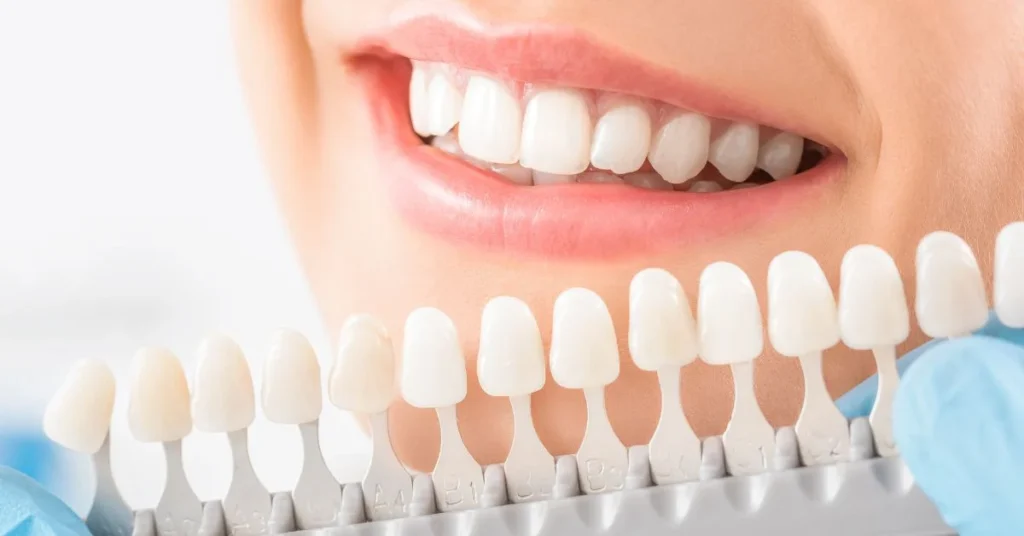
Missing One or More Teeth
Millions of Americans face tooth loss—over 36 million have no teeth, and 120 million are missing at least one, according to the American College of Prosthodontists.
Why it matters:
- Missing teeth can cause nearby teeth to shift, impair chewing, speech, and digestion, and lead to jawbone deterioration.
- Dental implants serve as artificial tooth roots, preserving bone and offering a permanent, natural-looking solution.
Read More: Gush Mints Strain: Your Essential Guide to This Powerful, Flavorful Hybrid
Struggling with Loose Dentures
Are your dentures slipping while eating or talking? Frequent adjustments and worry about embarrassing slips can make everyday life stressful.
Key issues:
- Dentures don’t stimulate jawbone growth, causing bone loss.
- Loose dentures create sore spots and lower confidence.
- Implant-supported dentures provide a secure, natural-feeling fit without adhesives.
| Sign | Description | Why Dental Implants Help |
|---|---|---|
| 1. Missing One or More Teeth | Gaps in your smile can lead to shifting teeth, poor bite, and bone loss. | Implants replace missing teeth and prevent bone deterioration. |
| 2. Struggling with Loose Dentures | Dentures slipping or needing frequent adjustment can be frustrating and uncomfortable. | Implant-supported dentures offer a secure, long-term fit with no adhesives. |
| 3. Difficulty Chewing or Eating Certain Foods | Missing or damaged teeth may cause you to avoid healthy, crunchy foods. | Implants restore full chewing power and dietary flexibility. |
| 4. Facial Sagging or Sunken Appearance | Tooth and bone loss can cause your face to appear aged and sunken. | Implants support bone structure, maintaining a youthful facial shape. |
| 5. Severely Cracked or Damaged Teeth | Teeth beyond repair can lead to infections or further damage. | Implants replace unsalvageable teeth with strong, lifelike alternatives. |
| 6. Bone Loss in the Jaw | Lack of stimulation from natural teeth leads to bone resorption over time. | Implants stimulate jawbone growth, preventing further loss. |
| 7. Persistent Oral Infections or Gum Disease | Advanced gum disease can result in tooth loss and affect your oral health. | After treatment, implants restore structure and function to the mouth. |
| 8. Low Self-Confidence About Your Smile | Missing or damaged teeth can hurt your self-esteem and social confidence. | Implants offer a natural-looking, confident smile makeover. |
Difficulty Chewing or Eating Certain Foods
Missing or damaged teeth make chewing difficult, leading many to avoid healthy foods like apples, nuts, and vegetables.
Potential consequences:
- Poor digestion due to inadequate chewing.
- Nutrient deficiencies.
- Greater reliance on soft, processed foods.
Dental implants restore chewing ability, letting you enjoy your favorite foods without concern.
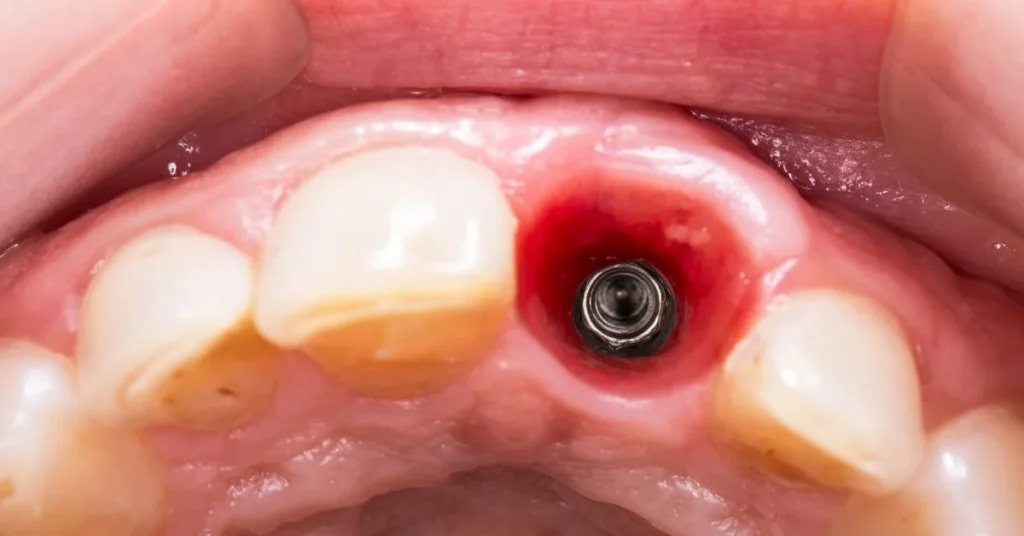
Facial Sagging or Sunken Appearance
Tooth and jawbone loss can alter your facial structure, causing premature aging over time.
Signs to watch for:
- Wrinkles around the mouth.
- Thinning lips.
- A collapsed jawline or chin.
Dental implants stimulate the jawbone, preserving facial contours and promoting a youthful look.
Severely Cracked or Damaged Teeth
Severely broken teeth, especially those damaged below the gum line, often can’t be saved. In such cases, dental implants offer the best long-term solution.
Consider implants if:
- The tooth can’t be restored with a crown.
- You experience pain or sensitivity from deep fractures.
- There’s a risk of infection from exposed pulp or nerves.
Implants are durable, strong, and custom-made to blend seamlessly with your natural teeth.
Bone Loss in the Jaw
Bone loss silently follows missing teeth, as the jawbone weakens without root stimulation.
Common signs include:
- Changes in bite or facial shape.
- Poorly fitting dentures.
- A hollow or sunken jaw appearance.
Dental implants uniquely prevent bone loss by stimulating the jawbone.
Persistent Oral Infections or Gum Disease
Advanced periodontal disease often causes tooth loss and damages bone and tissue through ongoing infections.
Warning signs include:
- Swollen, bleeding gums.
- Persistent bad breath.
- Pus around teeth or gums.
Once gum disease is treated, dental implants can replace lost teeth and restore oral health.
Low Self-Confidence About Your Smile
Your smile is a key part of first impressions. Hiding gaps, stains, or dental problems can harm your mental health and social life.
Emotional effects include:
- Social or professional anxiety.
- Avoiding photos or conversations.
- Reduced self-esteem.
Dental implants restore a natural-looking smile, boosting both confidence and well-being.
Frequently Asked Questions
What are the common signs that indicate I might need dental implants?
Signs include missing teeth, loose or slipping dentures, difficulty chewing, jawbone loss, facial changes, severe tooth damage, bone deterioration, and advanced gum disease.
How do dental implants help with jawbone loss?
Dental implants act like natural tooth roots, stimulating the jawbone and preventing bone loss that often occurs after tooth extraction.
Are dental implants suitable for everyone with missing teeth?
While many patients qualify, suitability depends on bone density, oral health, and overall medical condition. A dental evaluation is necessary to determine if implants are right for you.
How do implant-supported dentures differ from regular dentures?
Implant-supported dentures are anchored to implants, providing a stable, secure fit without the need for adhesives, unlike traditional dentures which can slip and cause discomfort.
Can dental implants improve my appearance?
Yes, implants preserve facial structure by preventing bone loss, reducing wrinkles, and supporting lips and jawline for a more youthful look.
What happens if I ignore the signs that I need dental implants?
Ignoring symptoms can lead to worsening bone loss, shifting teeth, poor digestion, decreased confidence, and further oral health complications.
How long do dental implants last?
With proper care, dental implants can last 20 years or more, often lasting a lifetime.
Is the dental implant procedure painful?
Most patients experience minimal discomfort during and after the procedure, with local anesthesia and modern techniques ensuring a smooth treatment.
Conclusion
Dental implants offer a reliable, long-lasting solution for those facing tooth loss and related issues. Recognizing the signs—such as missing teeth, bone loss, or slipping dentures—can help you take timely action to protect your oral health and confidence. By restoring function and preserving facial structure, implants not only improve your smile but also enhance your overall quality of life. Consult your dentist early to determine if dental implants are the right choice for you.
